

Who was Marshall McLuhan and how did his famous aphorism–the medium is the message–frame the new technology of visual content consumed via television screens? For some basic info, here’s some biographical context from Wikipedia:
Herbert Marshall McLuhan (July 21, 1911 – December 31, 1980) was a Canadian philosopher whose work is among the cornerstones of the study of media theory. Raised in Winnipeg, McLuhan studied at the University of Manitoba and the University of Cambridge. He began his teaching career as a professor of English at several universities in the United States and Canada before moving to the University of Toronto in 1946, where he remained for the rest of his life. He is known as “the father of media studies”.
McLuhan coined the expression “the medium is the message” (in the first chapter of his Understanding Media: The Extensions of Man), as well as the term global village. He predicted the World Wide Web almost 30 years before it was invented. He was a fixture in media discourse in the late 1960s, though his influence began to wane in the early 1970s. In the years following his death, he continued to be a controversial figure in academic circles. However, with the arrival of the Internet and the World Wide Web, interest was renewed in his work and perspectives.
In a Wired article from 1996, McLuhan’s influences and ideas are more closely examined in relation to the new “World Wide Web” technology emerging at the time, including the controversial Jesuit who developed the idea of the noosphere. From the first link:
McLuhan’s idea that media are extensions of man was influenced by the work of the Catholic philosopher Pierre Teilhard de Chardin, who believed that the use of electricity extends the central nervous system. McLuhan’s mysticism sometimes led him to hope, as had Teilhard, that electronic civilization would prove a spiritual leap forward and put humankind in closer contact with God.
But McLuhan did not hold on to this brief hope, and he later decided that the electronic unification of humanity was only a facsimile of the mystical body. As an unholy imposter, the electronic universe was “a blatant manifestation of the Anti-Christ.” Satan, McLuhan remarked, “is a very great electric engineer.”
Why did McLuhan come to this conclusion about the “electric universe”? Was it simply his outdated Christian belief system reclaiming the cognitive territory he pioneered? Or, perhaps, McLuhan did see something forming on the future’s distant horizon, and he determined it wasn’t what we were being told.
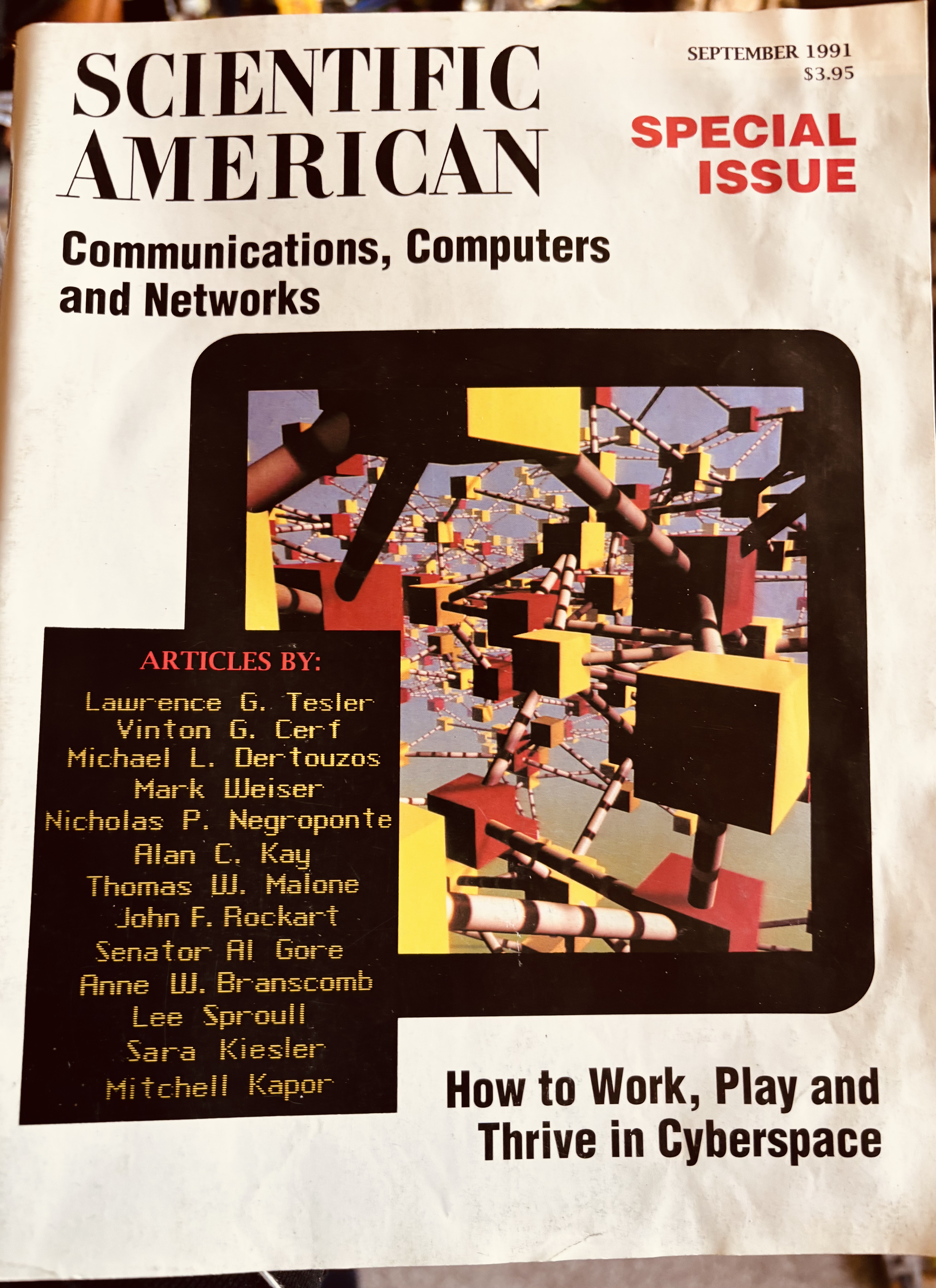
Five years before Wired revisited Marshall McLuhan’s old stomping grounds, Scientific American published a special issue about how to work, play and thrive in Cyberspace. One of the contributors for this issue, as you can see on the cover, was then-Senator, Al Gore.
Like building railroads and highways, Al Gore made his case for letting the U.S. government build, with U.S. tax dollars, America’s new information superhighway so that our great and amazing technological future could arrive and make all our lives so much better. Let’s see how his words have aged 35 years later:
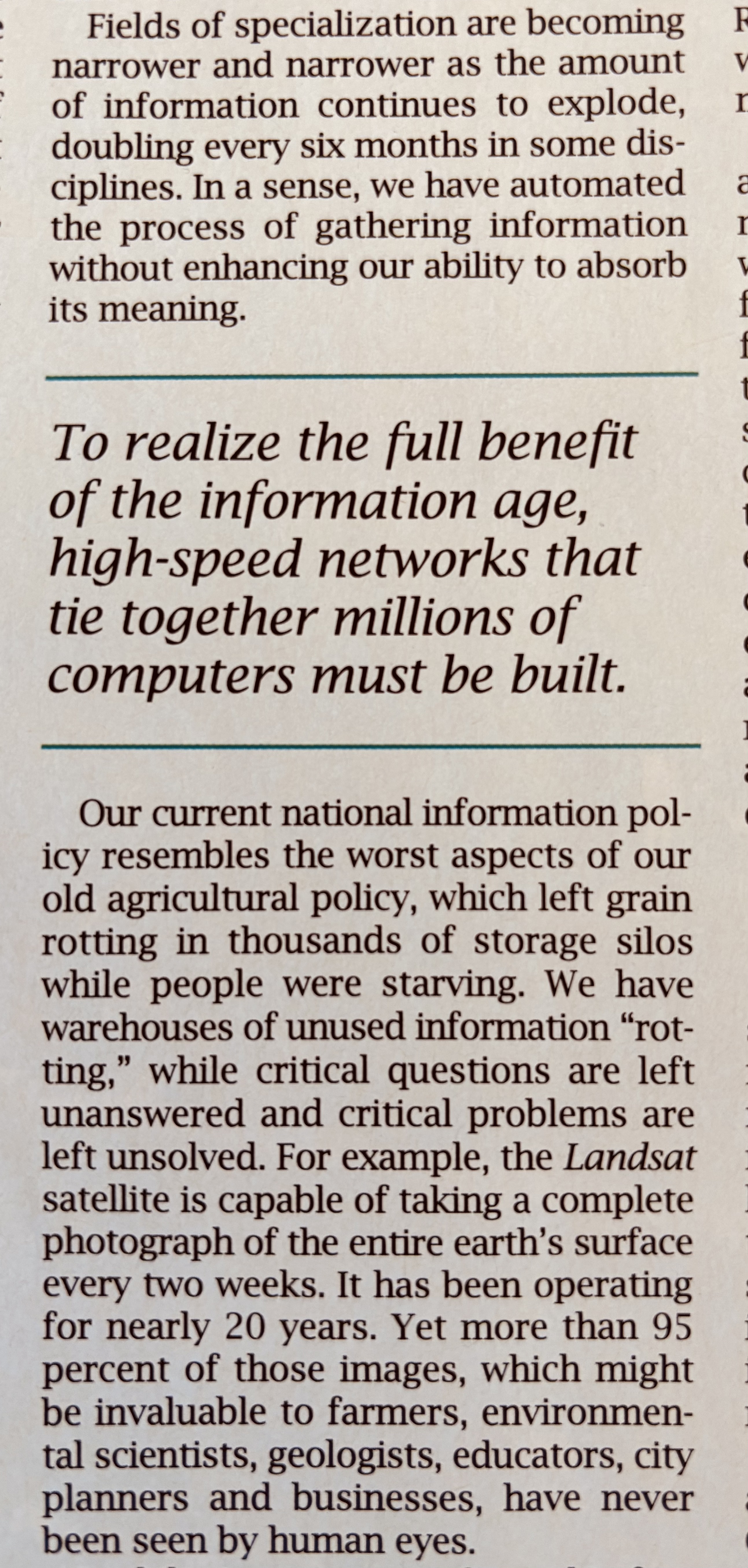
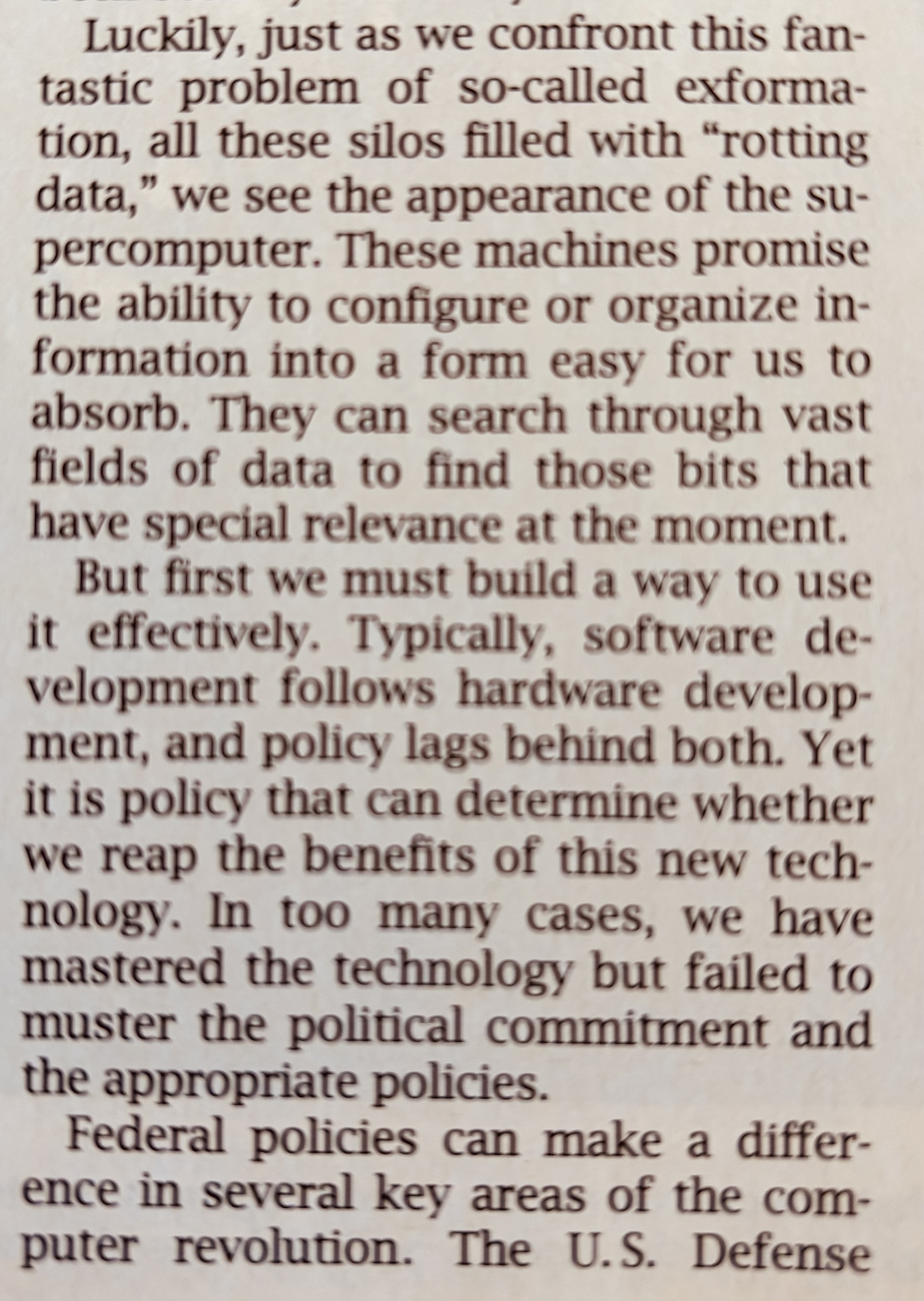
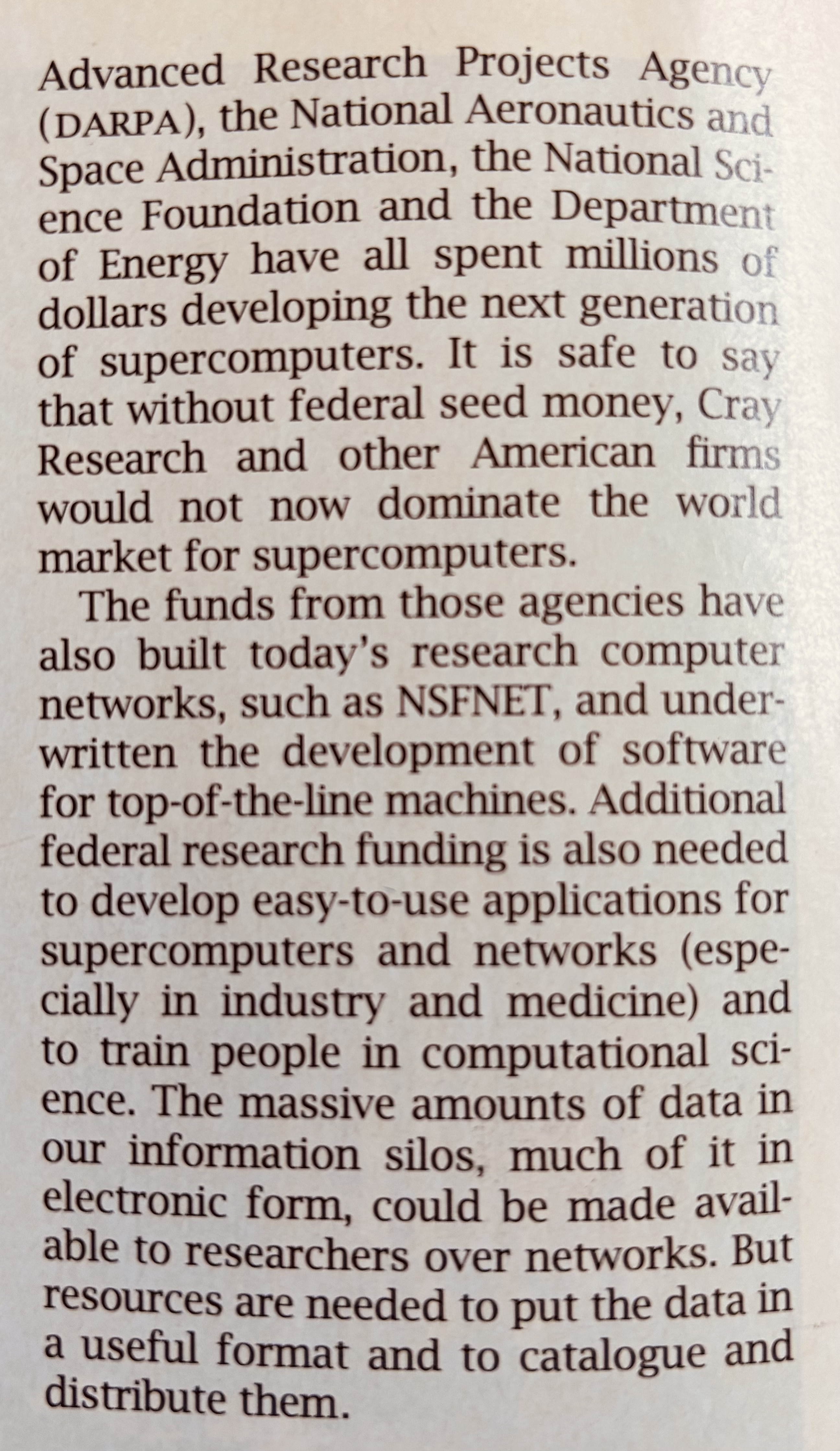
Why did Marshall McLuhan become so cynical by the end of his life? He was one of Canada’s most famous thinkers, pen pals with Pierre Trudeau and the widowed wife of Henry Luce (Time Life), and an accepted part of the academic conversation happening about new communication technology, as this 1968 press release from the University of Montana clearly indicates:


This post–and the answer, I believe, to McLuhan’s evolution in thinking–came from two letters I found in McLuhan’s collection of letters.
And, yes, considering modern communication technology has essentially eliminated the art and insights of letter-writing, the irony of discovering McLuhan bitching about Secret Societies to the poet, Ezra Pound, is not lost on me.
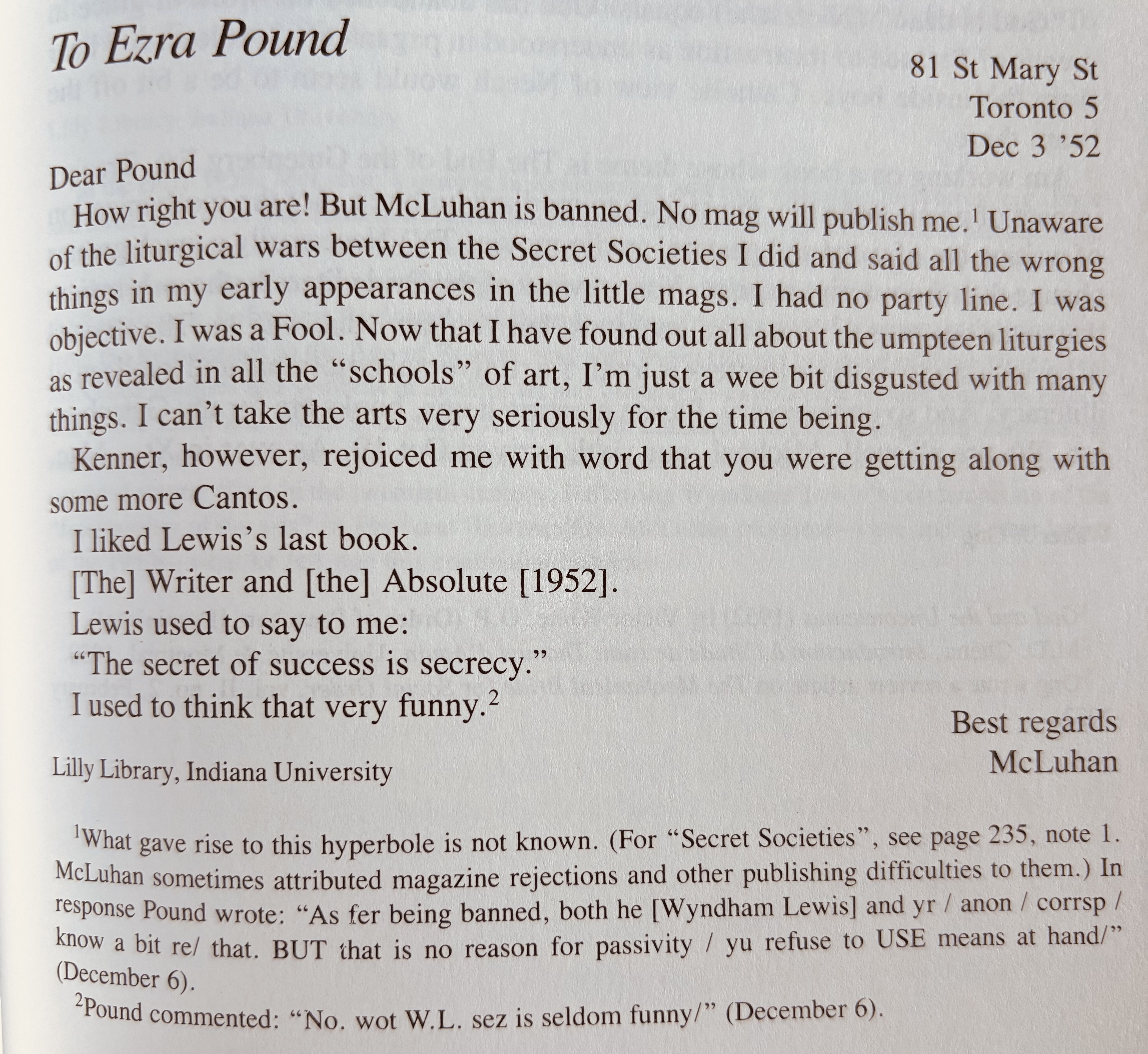
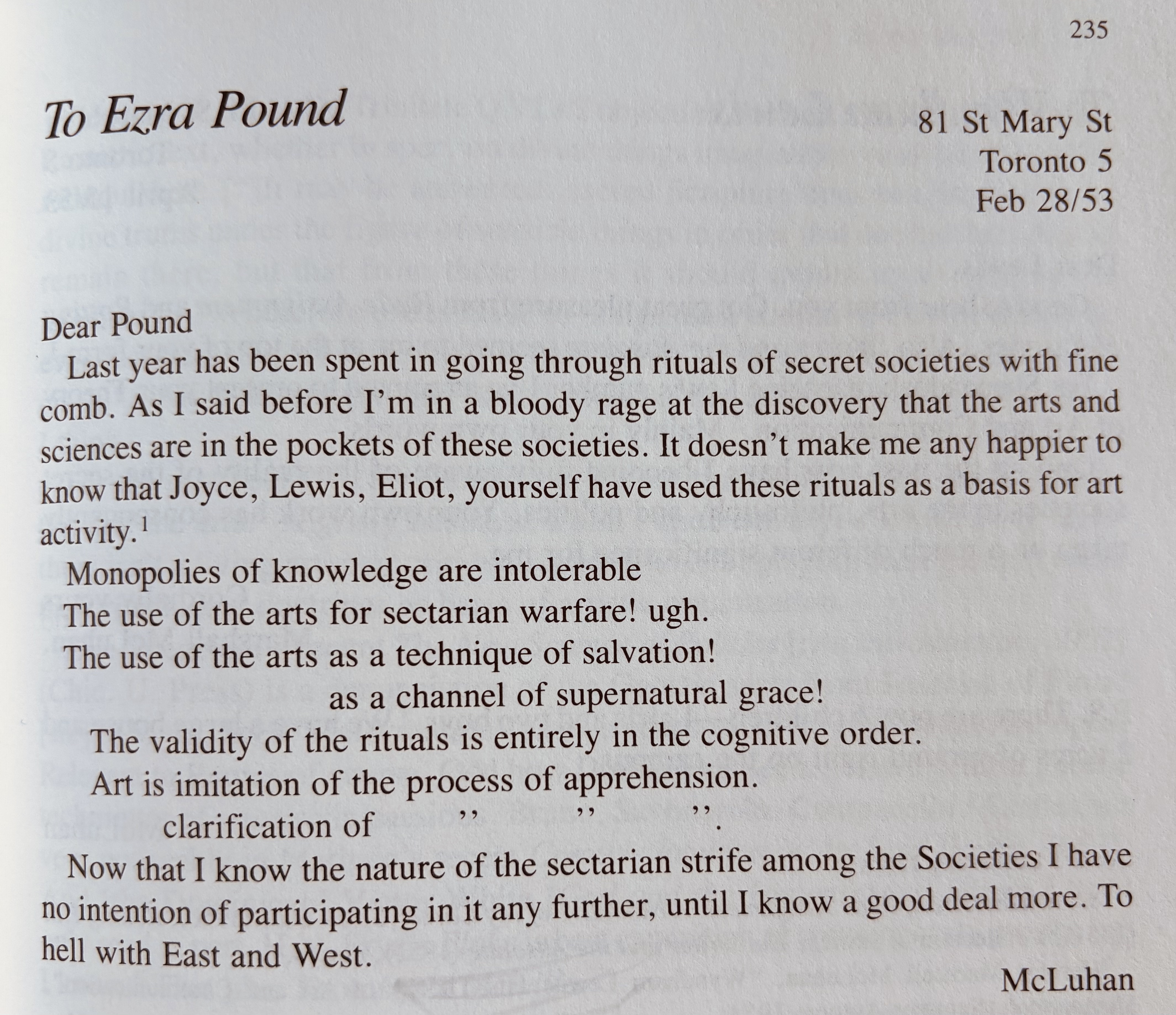
Nearly a half century after Marshall McLuhan’s death in 1980, the “art” of a director, like David Lynch, is getting some critical attention for reasons I think McLuhan would appreciate because it has everything to do with electricity.
The following excerpt about Lynch’s Twin Peaks comes from the book by Robert Guffey, Hollywood Haunts The World, which I mentioned briefly in part II of A Very Curious Montana Cold War Book. Here’s the excerpt:
The connection between electricity and interdimensional beings, hinted at in the original series as well as Fire Walk With Me, is made explicit in Twin Peaks: The Return, Lynch and Frost’s belated conclusion to the series. When Dale Cooper finally manages to escape from the otherworldly Black Lodge in which he has been trapped for twenty-five years, we see him emerge on Earth through an electrical socket. He spends many episodes unable to remember his Agent Cooper persona until, at last, he plunges a metal fork into another electrical socket, the resultant shock putting him into a coma, then restoring him to full consciousness.
When I rhymed the word “shock” with “pussy lock” yesterday in the poem that concluded my timely dismantling of Dick Manning’s writing agenda, it wasn’t just a crude reference to fucking. At risk of sounding like a New Ager, sex, like death, is all about energy, and it was at the moment of electrifying Chicago for the 1893 World’s Fair that I believe a major shift happened as electricity–and the infrastructure needed to transmit it–transformed the country.
When you adopt the esoteric lens that informs Hollywood’s mind-magick manipulation, then David Lynch, Montana, and the continued focus on this specific geography to help tell larger stories becomes very suspect. Here’s a few before I wrap this up.
Taylor Sheridan’s endless series, starting with Yellowstone, is the obvious one, but then there’s a bunch of little references, like Jake Gyllenhaal’s character in Roadhouse coming from Missoula, aliens in Arrival arriving in Montana, David Cross sporting a Missoula beanie, Anna Kendrick shouting out a recipe from a “Missoula Mom” in A Simple Favor, and the American Horror Story reference to Butte, Montana, in season 8.
What’s going on here?

My cop-out answer to what’s going on here is A LOT, but since this post is getting long, I’m going to go back to Al Gore’s words from 1991 after pointing out the historical relevance of the copper deposit that made Butte, Montana, “the richest hill on earth”.
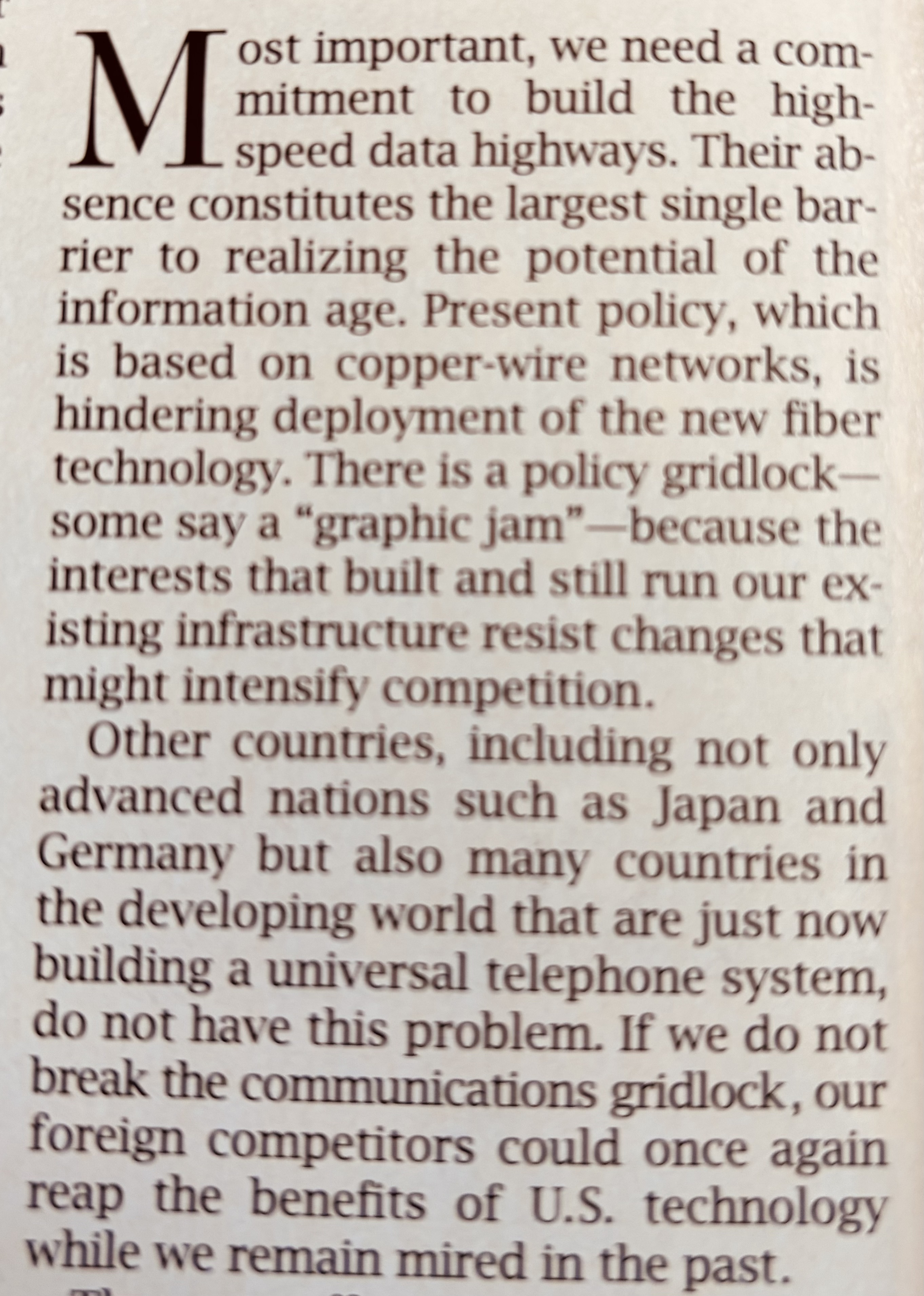
Does this sound like the rationale to build DATA CENTERS? Yes, it does. And, if you’re one of those well-meaning people being led to oppose data centers, Wired has a warning for y’all:
In the wake of attacks on CEOs, a nationwide protest movement targeting data centers, and increasing concerns about AI job replacement, federal intelligence agencies and domestic law enforcement are circulating reports with a new domestic target in mind: anti-technology extremists.
Thanks for reading!
