For 20 years Missoula has been welcoming back college students at the end of summer with a downtown party called the River City Roots Festival. Here’s a fluff piece about this festival quoting some freshman college students about their new Missoula experiences:
For two University of Montana freshmen, the festival served as their first introduction to Missoula.
“It’s such a welcoming town and I love the art and everything and the community events that go on like all the time.”
The celebration also marked a first for Neveah Sims, who is originally from Wyoming.
“I haven’t been really out to these type of places, so just coming around here, seeing just like the different experiences of Missoula and stuff, and just coming downtown is really exciting for me,” she said.
I’m glad Neveah Sims didn’t get run over and killed by a drunk driver like my friend did our freshman year in college because a very drunk young man at the River City Roots Festival consumed so much alcohol that he decided to drive recklessly after punching a woman in the stomach.
This could have ended MUCH worse than it did.
On August 22, 2026, at approximately 11:05 PM, Missoula Police Department Officers were made aware of a 911 caller reporting that her parked vehicle had been struck by another vehicle on the top floor of the parking garage at 128 W. Main St. Dispatch relayed to officers that the vehicle involved was a Toyota SUV.
Officers were aware of a large amount of foot traffic due to the River City Roots Festival in the downtown area. An officer who responded to the parking garage observed the vehicle and a group of people chasing after the vehicle and yelling at it to stop. The officer activated his emergency lights to stop the vehicle.
…
The driver of the vehicle was later identified as 29-year-old David Hunter. During this time, another officer was also in the parking garage and called for witnesses to come and speak with him. A female spoke with the officer, stating she had been assaulted by Hunter. The female stated she knows Hunter personally and she positively identified him as the driver of the SUV that struck the parked vehicle. The female told the officer that Hunter had been “a lot tonight” and said that he was intoxicated.
The female said that she chased after his car and was yelling at him to stop. The female stated that Hunter exited his vehicle and she went up to him to continue to plead with him not to drive. The female said Hunter told her something similar to, “stay out of my business,” and then punched her in the stomach. Hunter then ran back to his vehicle and got inside.
While the on-scene interviews were being conducted, another officer walked to the bottom floor of the parking garage, where he heard tires squealing coming down the ramp from the second floor of the garage. The officer observed Hunter traveling in the SUV at a high rate of speed towards the exit on Ryman St. However, the vehicle did not exit, and instead turned the corner wildly to head towards the Main St. exit.
Where did David Hunter get his alcohol and who served him? Those would be the types of questions one would ask if business establishments faced consistent accountability for the damages done by their customers alcohol consumption, but a town like Missoula prioritizes BUSINESS over the health of its community, so unless David Hunter killed a cop in his drunken attempt to escape the parking garage, I doubt any other person or alcohol-serving business will be held accountable.
The cop-killing drunk I’m referencing DID trigger a criminal charge and conviction for the man who served him, which doesn’t happen too often in a drunken state like Montana, but this case highlights that it IS possible. From the link:
A bartender pleaded no contest during a hearing Wednesday to over-serving the drunken driver responsible for a crash that killed him and a Montana Highway Patrol trooper.
Nathan Hale, 31, of Woods Bay has been convicted of misdemeanor negligent endangerment, sale of alcoholic beverages during closed hours and providing alcoholic beverages to an intoxicated person for serving alcohol to Travis Vandersloot and other employees at a Bigfork bowling alley on March 23, 2009, shortly before Vandersloot crashed his vehicle into Trooper Michael Haynes’ patrol car on U.S. 93, killing them both.
Hale was tending bar that night as Vandersloot, manager Diane Pickavance, 40, and other employees gathered for drinks in the bar portion of Pick’s Bowling Center after closing.
Making money selling a substance that hurts people by contributing to lethal accidents, violence, and sexual assaults does require insurance, but that’s a cost some liquid drug dealers don’t like paying, so a few years ago a bill was introduced to the legislature to soften that financial difficulty for our liquid drug dealers:
Sen. Willis Curdy, D-Missoula, said the Senate Majority Leader’s bill on alcohol overserving liability was an “insurance bailout bill” during a heated exchange on the Senate floor on second reading Wednesday.
Senate Bill 107, proposed by Sen. Steve Fitzpatrick, R-Great Falls, would limit a bar’s civil liability in overserving alcohol to patrons. The bill passed 33-17 Wednesday and will go to a third and final reading in the Senate.
The bill would also limit permissible evidence in civil cases to exclude the overserved patron’s blood alcohol content. Fitzpatrick said this is because there is no way to know in real time what that data point is, and it’s a “judgment call.”
The bill would also limit damages, both punitive and non-economic, like emotional distress, to $250,000 per incident.
Opponents said the bill benefits insurance companies and removes established protections for patrons. Proponents said bars are strapped with high insurance costs and deserve a break.
If Americans were continuing to maintain their cultural drinking habit from generation to generation, maybe business establishments that sell booze wouldn’t feel “strapped” with high insurance costs, but Gen Z is scaring the shit out of the booze industry by NOT damaging their bodies with alcohol to the degree that previous generations did, and that’s a problem for liquid drug dealers. To adapt, here’s an article explaining how alcohol retailers are changing strategies to fit the evolving drinking habits of Gen Z:

Brands may nudge you to imbibe your next cocktail at 3 p.m. as they try to figure out Gen Z’s quirky drinking habits.
Gen Z and younger millennials are generally drinking less than older generations and, when they do drink, are doing so more intentionally, prioritizing quality, flavor, and social context over quantity. That change is pushing bars and alcohol brands to design products for daytime moments, and reshaping how the industry defines a “drinking occasion.”
Across the beverage industry, brands are reorienting their new products toward earlier social occasions — brunches, festivals, dinner reservations before sunset — rather than late-night bar crawls.
Less drinking means less money for alcohol brands, like Seagrams, and the families that profit off substance abuse, like the Bronfmans, so maybe that’s why magazines, like Time, are interested in figuring out what’s up with Gen Z.
“It is becoming clear that, for whatever reasons, today’s younger generations are just less interested in alcohol and are more likely than older generations to see it as risky for their health and to participate in periods of abstinence like Dry January,” said National Institute on Alcohol Abuse and Alcoholism George F. Koob in a statement.
There isn’t one clear reason for alcohol’s decline among Gen Z, but experts point to a variety of factors.
One may be changing laws, including the 1984 National Minimum Drinking Age Act, which set the age to purchase or publicly possess alcoholic beverages to 21. Prior to that, the minimum age to drink was 18.
Further down we get this:
Another contributing factor has to do with the changing socialization patterns of younger generations. “Alcohol tends to be a social drug, even for young people, so part of the decline in underage drinking could be related to less in-person socializing,” said Koob. On average, the amount of time people spent with friends in-person decreased from 30 hours a month in 2003 to 10 hours a month in 2020, according to the U.S. Surgeon General’s advisory on the epidemic of loneliness. That decline was especially marked for people aged 15 to 24.
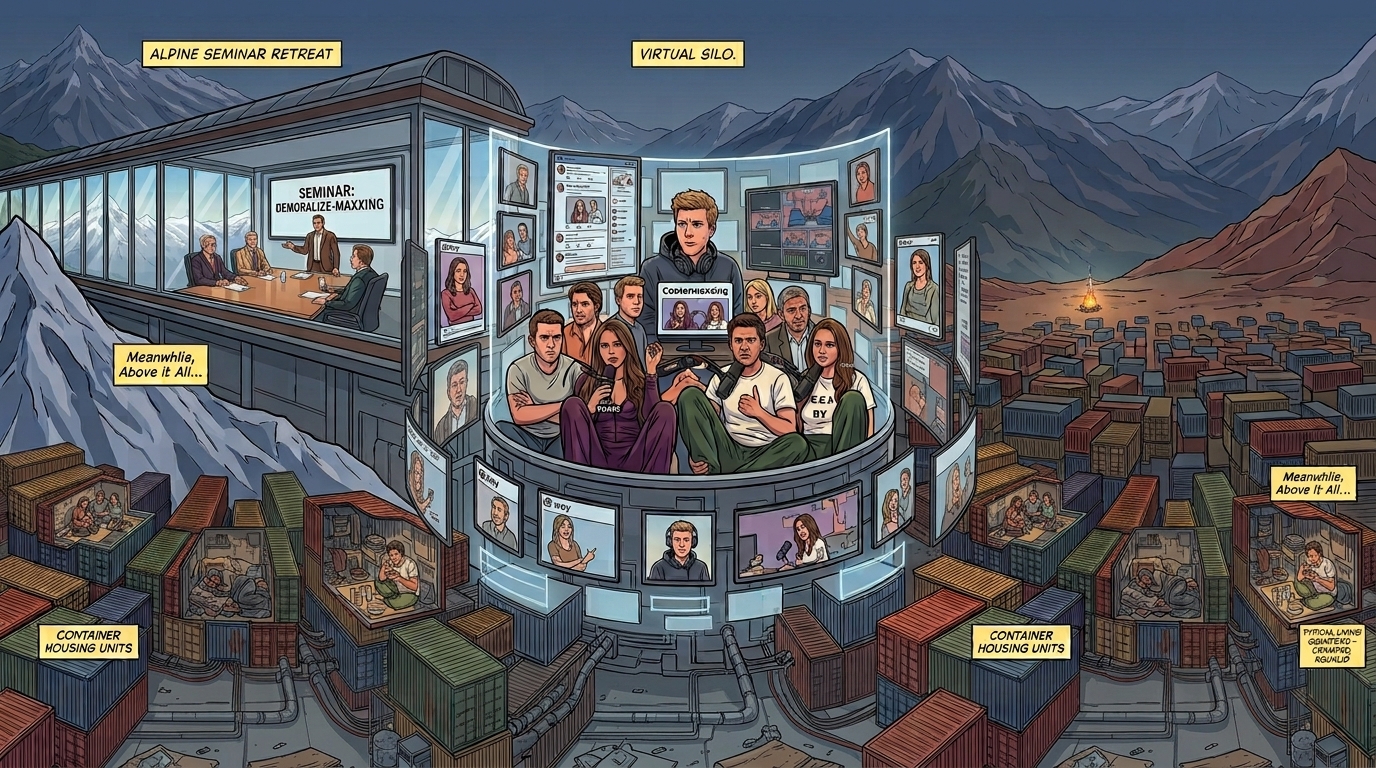
If young people aren’t socializing as much, and they aren’t drinking as much, and some studies are suggesting they aren’t even fucking as much, then maybe it’s because our young people are VERY DEPRESSED at their relative poverty and diminished purchasing power as the out-of-control Boomers slowly lose their minds while up-sizing their empty homes.
To finish up, if alcohol is something our elected leaders appreciate and need in their own life to manage stress, then my suggestion is don’t stop now because I have a feeling things are going to be getting EVEN MORE stressful as more locals come to the realization that the political rhetoric is bullshit and the decisions on how this valley will be developed have already been made.
If you appreciate the writing of a citizen journalist who hasn’t touched a drop of booze since July 4th, 2020, then please consider donating to my new GoFundMe page. The recent donations I’ve been receiving have been VERY helpful.
Thanks for reading!